Tag: chef

Daniel Vidal – Zero-waste fine dining with deep ancestral Mexican roots

Daniel Vidal, head chef of Baldío, LATAM’s first zero-waste restaurant, joined Koen in the kitchen in Mexico City to talk about what it actually takes to make radical food accessible to the people it was always meant for. When Baldío won a Green Michelin Star, Daniel didn’t think to take his mother there for her birthday as the restaurant back then could win over critics but not his own community.

Daniel walks through how Baldío rebuilt its menu from the ground up shifting from a Nordic-inflected à la carte that impressed visiting chefs to a tasting menu grounded in tamales, tacos, and corn in every single dish. He explains why familiarity is the gateway drug for getting locals to try ant eggs, grasshoppers, and beef treated with koji to mimic the texture Mexicans already know from corn-fed imports. Daniel unpacks the 60-ingredient mole built almost entirely from kitchen waste — banana peel tart trimmings, English sauce offcuts, insect protein — as both a culinary feat and a zero-waste accounting exercise.

This is the third episode of a three conversations series recorded on location at Baldío, in Mexico City: farm, fermentation lab, kitchen.

Chris Locke – Fermentation is the key ingredient for a zero-waste restaurant and the future of food

Fermentation is the oldest food technology on earth. It happens in our guts, in the soil, in every cup of coffee and most restaurants still throw the juiced lime away. At Baldío, Mexico City’s zero-waste restaurant, Chris Locke has built an entire philosophy around that lime: a Korean-style raw syrup, a lacto-fermented powder for seasoning, a tapache, and finally a koji-based shoyu. Four products, zero waste, from something already used.

In this conversation, recorded inside Baldío’s production warehouse in Mexico City, Chris unpacks the three real drivers of fermentation — flavour, health, and waste reduction — and why most kitchens only chase one. He explains why the menu at Baldío functions like an ecosystem, where removing one dish breaks six others, why consistency is the wrong obsession for any restaurant working with small regenerative farms, and how 200 litres of surplus corn vinegar a week is pushing the project toward a retail product line.

A UK chef who built his fermentation practice in Toronto and a circular innovation kitchen in Melbourne before arriving in Mexico City and waited four months for a job that didn’t yet exist, Chris brings a rare cross-cultural precision to a practice most people still associate only with natural wine. Fermentation as a tool for closing loops, building shelf-stable products, and making the economics of zero-waste food actually work.

Matt Orlando – From Noma to building the world’s most circular restaurant and disrupting the chocolate industry

A conversation with Matt Orlando, chef, entrepreneur, and former head chef at Noma. He is also the founder of Amass, one of the most circular and fully organic restaurants in the world, which closed at the end of 2022. He then focused on a project in Singapore and is now back in Denmark, currently very busy with, among other things, a new restaurant in Copenhagen.

What happens when someone who worked as a head chef in one of the best restaurants in the world, Noma, starts going deep down the rabbit hole of sustainability and responsibility? Join the fascinating journey of one of the most interesting chefs in the world, who not only redefined what a circular, sustainable restaurant means (and no, it isn’t more expensive to run, and it doesn’t require a lot of tech, etc.) but it does require a completely new mindset and way of thinking.

He shares some fascinating examples and data, like monetary savings- €17,000 in a year on water costs, for instance- which were only possible because of a mindset shift. We talk about the role of fine dining and the hospitality world in transforming the agri-food system, the role of technology, and of course, fermentation, and the VC-funded BS in food tech and fermentation.

We discuss their new restaurant concept, still very much under wraps, but exciting. And also, how they are disrupting the very dirty cacao and chocolate industry with an upcycled, fully organic, price-neutral spent brewers’ grain, which you can already find in “chocolate” cookies in the Nordics without tasting the difference.

Dan Barber – AI-Powered natural breeding: The End of GMOs, Gene Editing, and CRISPR?

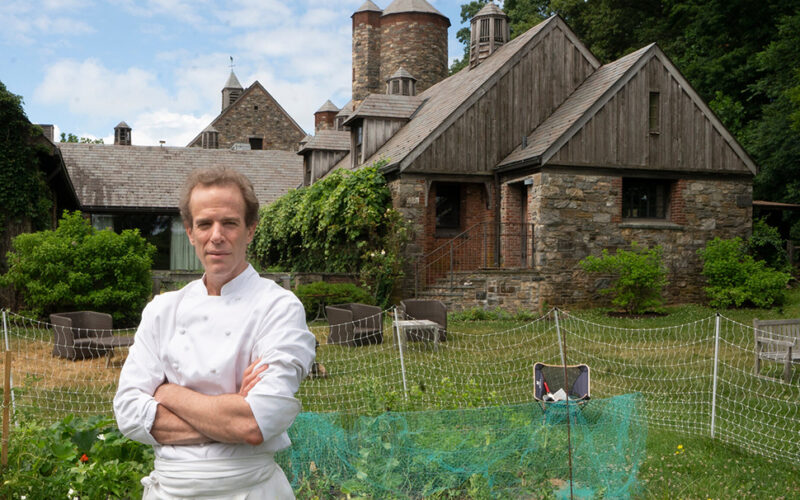
An overdue check-in conversation with Dan Barber,  chef, co-owner of Blue Hill restaurants and co-founder of Row 7 Seeds, where we dive into the fascinating world of seeds and how breeding is evolving with the explosion of AI and other technologies. No, we don’t need GMOs, CRISPR, or other risky blunt instruments. We discuss the implosion of the fake meat hype, which was at its peak when we last spoke four years ago, why insane umami flavor and potentially self-nitrogen-fixing tomatoes are revolutionary. This is a deep conversation about bread and wheat—and why breeding wheat specifically for whole meal flour is so important, where Row 7 Seeds, his seed company, is headed and why they’re launching a CPG brand using pressure-cooked vegetables (because processing isn’t a dirty word).

When your vegetables come from incredible seeds and are grown in healthy soils, you don’t need unhealthy additives. We kick things off with mouthwatering winter spinach and dive into a long conversation about the role of technology in food and agriculture. No, we shouldn’t go back to the past. No, we’re not Luddites. In fact, Dan is incredibly bullish on the role of AI in natural breeding—perhaps the best of both worlds, enabling faster breeding for local conditions rather than global crops that lack flavor, nutrients, and rely on excessive chemicals.

Get ready for a firehose of stories on food, seeds, soil, and culture!

Anthony Myint – Sourcing better isn’t going to change the food system, award-winning chef might have the silver bullet for system change

A conversation with Anthony Myint, co-founder and executive director of Zero Foodprint. Award winning chef, Myint was disappointed about his impact on acres by his farm to table restaurants and he is now fully committed to systems change. Koen and Anthony talk about how to really move the needle on many more new practice acres which are acres where regenerative practices are used for the first time, opting out mechanisms where a small opt out fee is added to restaurant bills and food products, collective regeneration, and much more.

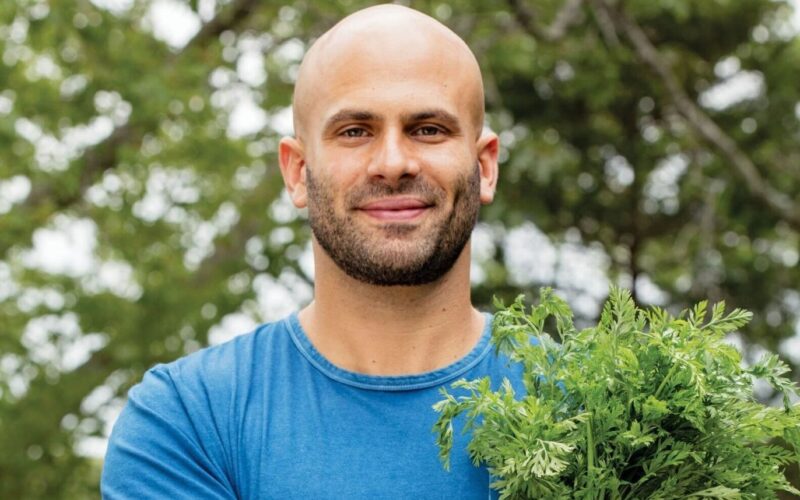
Sam Kass – Get people access to carrots before talking about nutrient density, former Obama’s chef and nutrition advisor turned investor says

A conversation with Sam Kass, former White House Chef and Senior Policy Advisor for Nutrition of the Obama’s administration and partner at Acre VC. We talk about the potential of VC in the space, the challenges of the real world and why we should focus on getting everyone access to carrots before focusing on the quality and growing practices, why carbon payments is a very interesting and real entry point to scale, and more.

Dan Barber, great flavour, health benefits and healthy ecosystems can only come from healthy soils not a lab

Dan Barber, chef and co-owner of Blue Hill both in NY and Stone Barn and co-founder of Row 7 Seed Company, joins us to talk about the role of seeds and chefs in regeneration, and where to invest in order to win while helping the environment.