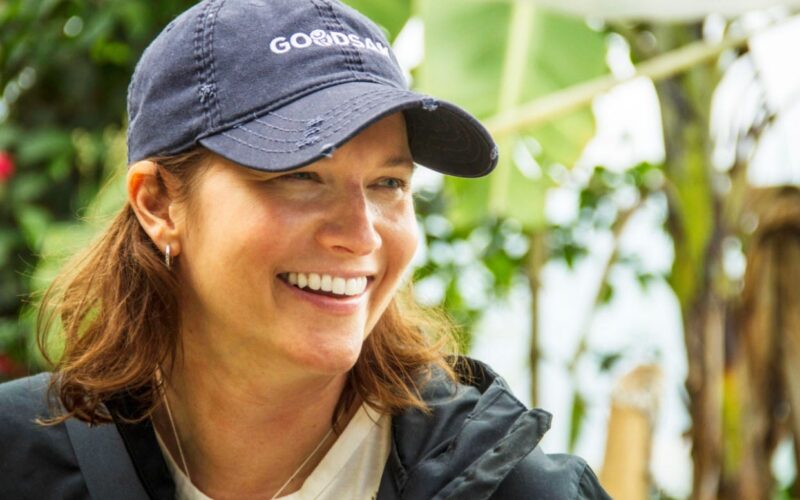
Thekla Teunis and Gijs Boers – Regenerative practices deliver higher quality and higher prices in year one
Regenerative practices lead to higher quality and much higher prices in year one and, over time, to lower costs, which makes the regenerative business case in certain cash crops that are exported (spices, tea, coffee, etc.) so strong that it almost spreads on its own. Nothing is easy, but this is really hopeful. In this conversation with Thekla Teunis and Gijs Boers, founders of Grounded, Grounded Ingredients and Grounded Investment Company, we discuss why quality is intimately linked to regenerative practices.
We talk about why we don’t need transition finance in many cases, but we do need philanthropic capital to figure out what regenerative looks like in specific circumstances. When that research and development (in other sectors we would call that R&D ) is done, it can be rolled out profitably and relatively easily with more commercially focused, return- driven capital.
We talk about why it’s easier to act regeneratively in many places in the Global South (easier, not easy). And we talk about the why of super hands-on investing. Knock knock- there are regenerative barbarians at the gate. What if we do private equity right and use it as a tool for good?
No, don’t worry, this is not a hallelujah story about how capitalism is going to save us all, but we are talking to two very, very experienced entrepreneurs and company builders, now turned super hands-on investors in East and South-Central Africa. In their context (you see, it’s always context-specific), super hands-on investor involvement makes sense. They invest in processing companies that buy and process spices like coffee, tea (you know, all those things that make your kitchen and cooking more interesting and your mornings bearable).
This is Thekla and Gijs third time on the show, and we talked about all the lessons they’ve learned building companies across the African continent over the last 12 years, and why, despite all the scars and R&D paid for, they are super optimistic.
We discuss how they designed their investment fund from the ground up instead of top down, and how their story is landing with sceptical investors. Really, no need for regenerative certification and transition finance? Again, in this context, regeneration makes sense from day one, and now it’s time to scale and replicate it.