Tag: regenerative agriculture

Sarah Hellebek – Training Denmark’s next farmers with practitioners, not professors

A walking the land episode with Sarah Hellebek, deputy head at Krogerup Højskole, who spent years at the heart of Denmark’s climate activist movement. By most measures, she was successful, climate made it onto the political agenda, though never strongly enough. But the fight came with a cost: it also made her pretty depressed, she was in our own words mostly shouting in front of the Parliament. 

Until a tour visiting progressive Danish farmers exposed her to the world of regeneration and she dove right into it. After spending a lot of time on different farms she noticed the need to train the next generation, as the current ag school system in Denmark (and everywhere else for that matter) doesn’t prepare you to run farms and embrace complexity. So she started her own school, outside the free super subsidied Danish school system and it took off.

We talk about why the next generation of farmers has to be trained by practitioners not teachers and why your holistic context is so important and pretty scary to dive into that in week 1 of your education; and why the students need to work full time on regenerative farms throughout the country and bring that knowledge back into the lessons classroom (which of course is on a farm). Like this, the teaching is done with real case studies of the top regenerative farms through out Denmark. Bye bye outdated text books. This is cutting edge.

She felt she had to get some dirt under her nails and set up a market garden which hosts a lot of activities. We end with some very concrete calls to action and, of course, a mini deep dive into our role as positive key stone species.

Maarten van Dam – How to fund the transition of the first pioneers in regenerative agriculture

A conversation with Maarten van Dam, founder of Schevichoven Regenerative farm, about numbers when transitioning from conventional to regenerative agriculture and keeping records on inputs, prices, and machinery. Maarten is changing that and keeping a lot of records of their pioneering farm transitioning from a mono dairy farm to a diverse agroforestry system.

Remember the Dutch farming protests? What do we miss when we talk about the transition of conventional? We miss numbers numbers numbers. Many of the pioneers- rightfully so- didn’t keep good records, on inputs, prices, machinery and, of course, hours. Nobody tracks hours in agriculture. What does it cost per hectare, and what off-take do you need? With a minimum of 50K euro per hectare in the Netherlands, you can transition in about 7 years to a diverse perennial agroforestry system, only counting wholesale prices, counting all your hours, and paying a fair wage. Of course, at Schevichoven they are only in year 4, so all of that has to be proven. But what does it mean for the rest of the 50.000 farmers in the Netherlands? What are the types of regen systems they can apply? We need about 150 billion to transition them. It sounds like a lot, but is doable.

Rodger Savory – Restore the water cycles and reverse desertification in California, regenerating 150.000 acres with 600.000 cows

A conversation with Rodger Savory, ecologist, land manager, and ranch owner, about scale and cows, how to kickstart regeneration in desert situations, changing local weather patterns, abundance, soil bacteria, conventional agriculture, WW2 and much more.

Peter Byck – Roots So Deep (you can see the devil down there)

A conversation with Peter Byck, filmmaker and a wrangler of scientists, about regenerative vs conventional grazing and his new 4 part documentary series Roots So Deep (you can see the devil down there).

What we learned in 2022 about nutrient density in food, farmers’ philosophy, enabling technologies and satellites and redesigning products

Wow! What a year it has been. Just when you thought things couldn’t get any crazier we find ourselves in a war in Europe, crazy energy and food prices and extreme high inflation rates in general. 

In an ideal world farms applying regenerative practises are more resilient, but as we saw with the story of Josh Heyneke, founder of Parc Carreg, farms can get into trouble very quickly when input prices spike (in this case organic grain from Ukraine to feed the ducks). It seems like Josh and his partner Abigail will make it through the winter and are building hard on their more resilient future, which will include climate neutral eggs!

With this post we wrap up the year and we look forward to regenerating more soils and many more hectares in 2023 and beyond!

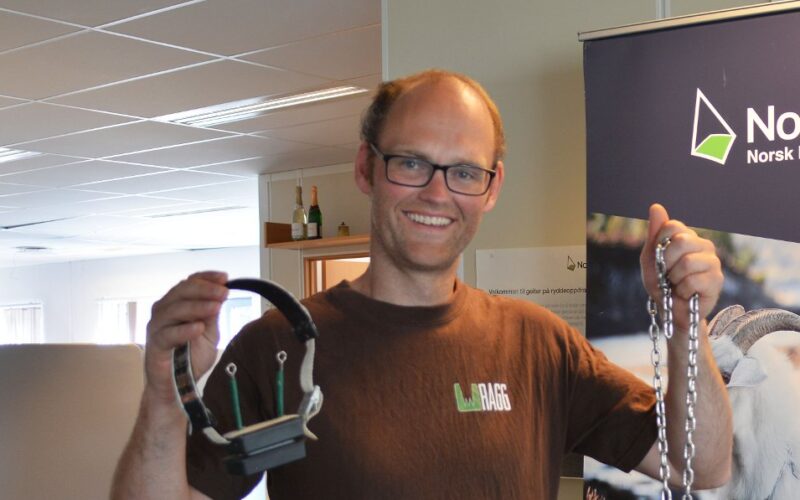
Oscar Hovde Berntsen on how a global leader in virtual fencing comes from a tiny Norwegian town

Oscar Hovde Bernstern, founder and CTO of NoFence, shares the numerous reasons why virtual fencing is big right now in Norway, and soon, all over the world.

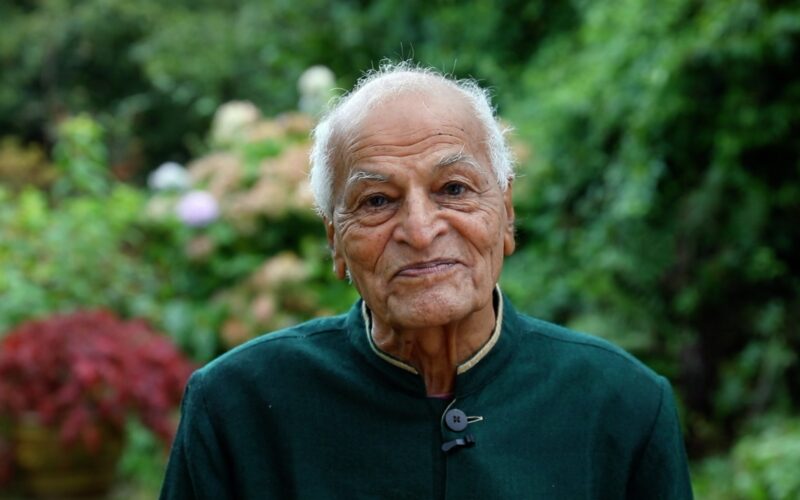
Satish Kumar – Be humble, you can’t outsmart nature

Philosopher, founder and director of Programmes of the Schumacher College, International Centre for ecological studies, Satish is Editor Emeritus of Resurgence & Ecologist. In 1973 he walked 8000 miles to spread the message of peace around the world from New Delhi to Washington DC via Moscow, Paris and London. Among other books, Satish wrote Soil, Soul, Society: A New Trinity for Our Timed Society.

Paul Woebkenberg on Ecosia’s regen ag investments

A check in interview with Paul Woebkenberg who is leading the Ecosia’s regen ag investments, their € 500K finance fund for regenerative agriculture.

Phil Taylor and Brandon Welch, the first investments of Mad Ag’s $10 million fund

Phil Taylor and Brandon Welch of the Perennial Fund and MAD Agriculture just closed their fund of $10 million and the first four loans are out of the door, with many more to come. We discuss in this episode what they have learned about skin-in-the-game transition finance and partnering with farmers.

Paul Pizzala from a London city private bank to the biggest regenerative farm in the UK

How a London city private banker took a permaculture course and now applies his finance knowledge to build the biggest regenerative farm of the UK. Definitely stay until the end to hear from Mark Drewell, executive chair how investors are responding to the new equity offer compared to debt of New Foundation Farms.